
Frequently Asked Questions: Aerospace Plastic Parts
Frequently Asked Questions: Aerospace Plastic Parts Summary Molding plastic parts for aerospace applications involves a level of process control, documentation, and material qualification that goes well beyond typical commercial molding. Buyers evaluating a molder for aerospace work consistently ask the same handful of questions, around certifications like AS9100 and NADCAP, material choices like PEEK and […]
Best Practices for Engineers: Tooling Design
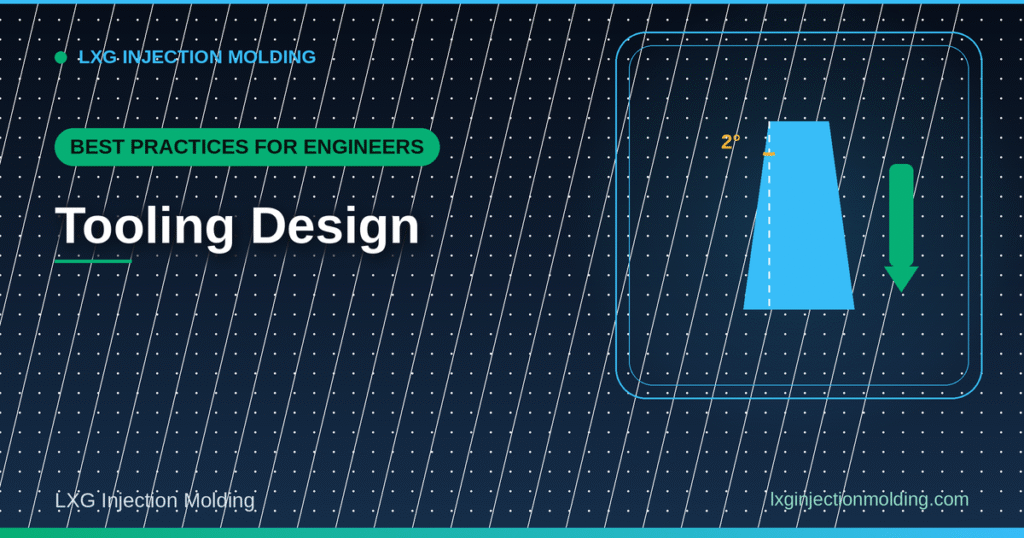
Best Practices for Engineers: Tooling Design Summary Tooling design decisions made early in a program – draft angle, parting line placement, how undercuts are handled – have outsized consequences for tool cost, cycle time, and how easily parts eject cleanly shot after shot. Many of these decisions are easiest and cheapest to get right before […]
A Practical Checklist: Thin-Wall Injection Molding
A Practical Checklist: Thin-Wall Injection Molding Summary Thin-wall injection molding – generally parts with wall sections between 0.5 and 0.8mm – reduces material use and cycle time, but it narrows the margin for error on nearly every design and process decision compared with standard-thickness molding. Material flow, gate placement, venting, and tooling hardness all need […]
Common Mistakes to Avoid: Flash Defect Prevention
Common Mistakes to Avoid: Flash Defect Prevention Summary Flash – the thin ribbon of excess plastic that squeezes out along a parting line or other mold boundary – is one of the most common injection molding defects, and also one of the most frequently misdiagnosed. It can originate from tooling condition, process settings, or material […]
Best Practices for Engineers: Gas-Assisted Injection Molding
Best Practices for Engineers: Gas-Assisted Injection Molding Summary Gas-assisted injection molding injects pressurized nitrogen into a partially filled mold cavity after the initial plastic shot, displacing molten material to create hollow sections while the plastic that remains is pushed firmly against the mold walls. Done well, it reduces material use, shortens cycle time, and improves […]
A Step-by-Step Guide: Micro Injection Molding
A Step-by-Step Guide: Micro Injection Molding Summary Micro injection molding produces parts under a gram in weight, with wall sections under half a millimeter and features that standard injection molding simply cannot hold reliably. Getting there requires more than a smaller machine – it demands precision tooling, tightly controlled shot volumes, careful material handling, and […]
A Step-by-Step Guide: Runner Systems
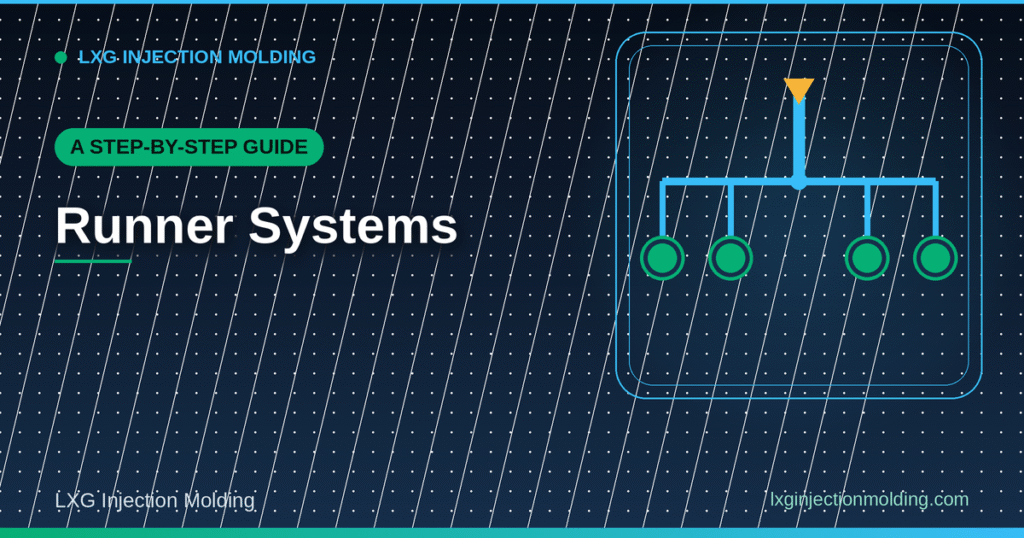
A Step-by-Step Guide: Runner Systems Summary A runner system is the network of channels that carries molten plastic from the machine nozzle to each cavity, and how it is sized and designed affects material waste, fill pressure, part quality, and cycle time all at once. Runner design is not a single decision but a balancing […]
Common Mistakes to Avoid: Injection Molding Machines
Common Mistakes to Avoid: Injection Molding Machines Summary Machine selection and setup mistakes rarely announce themselves clearly – a part comes out with burns or a short shot, and the instinct is often to blame the mold or the material rather than the machine settings actually driving the defect. Clamping tonnage in particular is one […]
Frequently Asked Questions: Voids in Plastic Parts
Frequently Asked Questions: Voids in Plastic Parts Summary Voids are internal empty spaces trapped inside a molded plastic part, invisible from the outside but capable of weakening the part structurally or causing it to fail a leak or pressure test. They are often confused with sink marks, which are a related but distinct surface defect, […]
How to Reduce Costs: Two-Shot Molding
How to Reduce Costs: Two-Shot Molding Summary Two-shot molding looks more expensive than standard single-material molding on the tooling quote alone, which leads some teams to dismiss it before running the full cost comparison. The real cost picture includes everything two-shot molding eliminates downstream – secondary assembly steps, adhesives or fasteners, separate handling, and the […]

 20+ Years Experience
