
Imagine you have a small gadget or plastic part design. Rather than waiting weeks or months to get your first batch, you want something fast, affordable, and reliable — but still better than 3D printing. That’s where desktop injection molding comes in.
Desktop injection molding is a compact, small-scale version of conventional injection molding. Instead of large industrial machines, you use or contract a desktop injection molder — a benchtop or small footprint machine — to produce plastic parts with good accuracy and repeatability.
For entrepreneurs, inventors, prototyping firms, small product runs, or even educational labs, desktop injection molding bridges the gap between prototyping and full production. And for those looking for desktop plastic injection molding services, we’ll also talk about outsourcing to experts (for example, services in China) so you don’t have to own the machine yourself.
Instant pricing & DFM
Guidance from automotive molding experts
Tight tolerances, complex geometries, and multi-material capabilities
Proven expertise with 3,000+ molds delivered worldwide
What Is Desktop Injection Molding?
Desktop injection molding is simply injection molding adapted to a small scale. A desktop injection molder is a compact machine (tabletop or benchtop) that can melt plastic pellets and inject them into small molds (desktop injection molds) under pressure. The result: small series of plastic parts with decent resolution and material properties superior to many 3D prints.
This technique falls between prototyping (3D printing, CNC machining) and full-scale industrial injection molding. Because you’re using real thermoplastic melt and molds, parts can have better strength, surface finish, and consistency.
While full-size injection molding machines might produce thousands of parts per hour, desktop machines typically produce tens or hundreds per day. But for many early-stage products or small batch runs, that’s more than enough.
2. Types of Desktop Injection Molder Machines
There are a few classes of desktop injection molding systems. Here’s a breakdown:
A. Fully Automated Desktop Injection Molder
These are compact machines with automated injection, clamping, mold opening, cooling, and ejection cycles. The user sets inputs (temperature, pressure, cooling time) and lets the machine run. Example: MicroMolder (a compact desktop injection molder) is designed for creators, makers, prototypers, artisans, and small businesses
B. Semi-automatic / Manual Desktop Injection Molding
These machines require some manual intervention: placing the mold, injecting, opening, and removing parts. They’re simpler, less expensive, but require more operator time.
C. DIY or Kit Desktop Injection Molding Machines
These are hobbyist or maker solutions, sometimes built from 3D printed parts or kits (e.g. the INJEKTO machines) that allow users to experiment. They are useful for learning or small-scale prototyping, though they might have limitations in repeatability or precision.
D. Small Vertical Desktop Injection Molding Machines
Some desktop injection molding machines are vertical (top-down injection) rather than horizontal, saving footprint and simplifying mold alignment. For small parts, this can be effective.
Each type has trade-offs in cost, ease of use, throughput, and precision.
3. Strengths, Limitations & Design Considerations
Strengths / Advantages
Lower barrier to entry: You don’t need a giant shop floor or industrial press.
Faster iterations: You can tweak mold and test again quickly.
Better part quality (vs some 3D printing): Real thermoplastic materials, better mechanical properties, and smoother surfaces.
Cost-effective for small runs: Rather than paying full-scale tooling, you can do small batches with lower upfront risk.
Educational & innovation tool: Great for R&D, labs, universities, or inventors experimenting with injection molding.
Limitations & Challenges
Limited shot size / part size: Desktop machines tend to have lower injection pressures and smaller mold capacities. So they are best suited for smaller, simpler parts.
Cooling and cycle time constraints: Because the machine and mold masses are small, cooling can dominate the cycle time.
Precision & tolerances: Achieving very tight tolerances (especially for functional mechanical parts) is harder than on industrial machines.
Tooling cost & durability: Desktop injection molds (especially in aluminum or softer materials) will wear faster than hardened steel molds used in large machines.
Material limitations: Some engineering plastics and high-temperature resins may not be compatible with desktop systems due to thermal limitations.
Consistency / repeatability: Maintaining consistent melt conditions, injection pressure, and cooling is more challenging in compact systems.
Design Considerations
Make sure your part geometry is moldable: draft angles, thickness uniformity, gate position, and venting still matter.
Minimize long thin sections or deep ribs.
Use materials that flow well at lower injection pressures (ABS, PP, PE, some modified polymers).
Design the mold to be easily machinable (aluminum, soft steels) for desktop molds.
Anticipate slight variations: machining tolerances, tool wear, adhesion, and shrinkage.
4. How to Order Desktop Plastic Injection Molding (You Don’t Need to Own the Machine)
Many people mistakenly think they must buy a desktop injection molder to get small runs. But often it’s easier, faster, and more economical to order desktop plastic injection molding services from providers or tool shops. Here’s how that works.
Why outsource instead of buying the machine
Avoid capital expense (machine, training, maintenance)
Leverage expertise in tooling, process setup, and quality control
Faster turnaround since the provider already has the infrastructure
Access to better materials, mold-making, and finishing capabilities
Steps to order desktop injection molding services
Design & CAD files
Send your part geometry (CAD, STL, STEP) to the service provider.Material selection
Choose the plastic type (e.g. ABS, PP, PC) based on function.Mold design / quotation
The provider designs the desktop mold (often in aluminum or soft steel) and quotes tooling + part cost.Prototype / test shots
Before full batch, small runs are done to test mold function, part geometry, cooling, etc.Run small batch
Produce your required quantity using desktop injection mold tooling.Inspection & finishing
Check tolerances, clean, and perform secondary operations (e.g. trimming or polishing)Delivery
Ship the molded parts to you
If you are placing your order with a company in China for China desktop injection molding, your process will include extra considerations like communication, shipping, tooling oversight, and IP protection.
5. China Desktop Injection Molding: Why Consider It, and What to Watch For
Outsourcing your desktop injection molding needs to China desktop injection molding firms is increasingly common. China has deep tooling and injection molding expertise, and often offers competitive pricing. Here’s what to consider:
Advantages
Lower labor and manufacturing costs
Established tooling and mold-making infrastructure
Access to many machines, materials, and supply chains
Experience in small batch and custom molding
Potential for scaling up to full production later, with the same partner
Challenges / Risks
Communication and language barriers
Longer shipping times and import costs
IP protection and confidentiality risks
Quality consistency — need to vet and audit the supplier
Minimum order requirements — some exporters set high minimums even for small runs
Tips when ordering from China
Ask for prototype samples before full batch
Require detailed inspection reports (CMM, dimensions, surface finish)
Use trusted partners or agents on site
Sign strong NDAs and ensure tooling ownership is clear
Clarify shipping, customs, and logistics terms
Ask for photographs and videos of the mold setup and test runs
When you work with a China-based desktop injection molding supplier, you benefit from expertise and cost efficiency — but you must manage risk carefully.
6. Costs, Lead Times & Quality Control
Costs
The cost of desktop injection molding includes:
Tooling cost: mold fabrication, mold base, machining, surface finish
Setup cost: machine setup, mold trial, parameter tuning
Per-part cost: raw plastic, cycle time, labor, finishing
Quality inspection & rework
Shipping / logistics
Because desktop molds are simpler and smaller, tooling costs are lower compared to industrial molds. But per-part costs might be higher if the run is very small, depending on machine efficiency.
Lead times
Tooling (desktop mold): often 3 to 10 days (depending on complexity)
Prototype / test shots: 1–3 days
Small batch production: from 2–7 days or more
For China-based runs, add shipping and customs time
Quality Control
To ensure reliable parts, good desktop injection molding providers adopt:
CMM inspection of part dimensions
Surface finish checks (microscopy, gloss)
Tensile / mechanical testing (if mechanical properties matter)
Statistical process control (SPC) to monitor consistency
Mold verification — confirm mold cavity and alignment
These measures help ensure your parts meet spec and reduce rejects.
7. Use Cases & Real Examples
Small consumer product enclosures — e.g. buttons, housings, sensor covers
Electronic modules / connectors where plastic parts must match mating parts
Medical device prototypes & pilot parts
Limited edition parts / accessories
Test parts for automotive or aerospace applications
Educational / R&D labs for training engineers with real molding experience
One real example is MicroMolder, which is marketed as a compact desktop injection molder for makers and small businesses. Micromolder Another is the APSX-PIM desktop injection molding system, which is a low-cost, automatic desktop plastic injection molding machine. apsx.com
These show that the technology is real and gaining traction.
8. How to Choose Between Buying vs Ordering Desktop Injection Molding
When to Buy a Desktop Machine
You plan to make regular small batches
You want full control over iteration cycles
You have in-house technical capability
You want faster turnaround without shipping delays
When to Order / Outsource
You lack capacity, experience, or time
You want to reduce risk and capital cost
You need access to expert tooling and finishing
You are testing demand and don’t want a fixed asset
If you do decide to buy, make sure the machine supports the materials you need, has good temperature and pressure controls, and is robust enough for your intended production.
9. Summary & Next Steps
Desktop injection molding (desktop injection molder / desktop plastic injection molding) offers an appealing bridge between prototyping and full-scale manufacturing. If your parts are small, you need speed, and your volumes are modest, it’s a compelling option.
Whether you decide to buy a desktop injection molding machine or order desktop plastic injection molding services (especially from China), make sure to:
Choose the right materials
Design molds with good draft, thickness, and flow
Work with experienced tooling partners
Maintain strict quality control
Protect your intellectual property
At LXG Injection Molding (or your preferred service provider), you can deliver your CAD files, specify your material and tolerances, and order desktop plastic injection molding. We handle the mold design, test shots, production, inspection, and shipping — so you get quality parts without the headache of owning the equipment.
If you like, I can also produce a shorter landing page version of this content, or a comparison chart between desktop vs industrial molding to help your customers decide.
Our Work
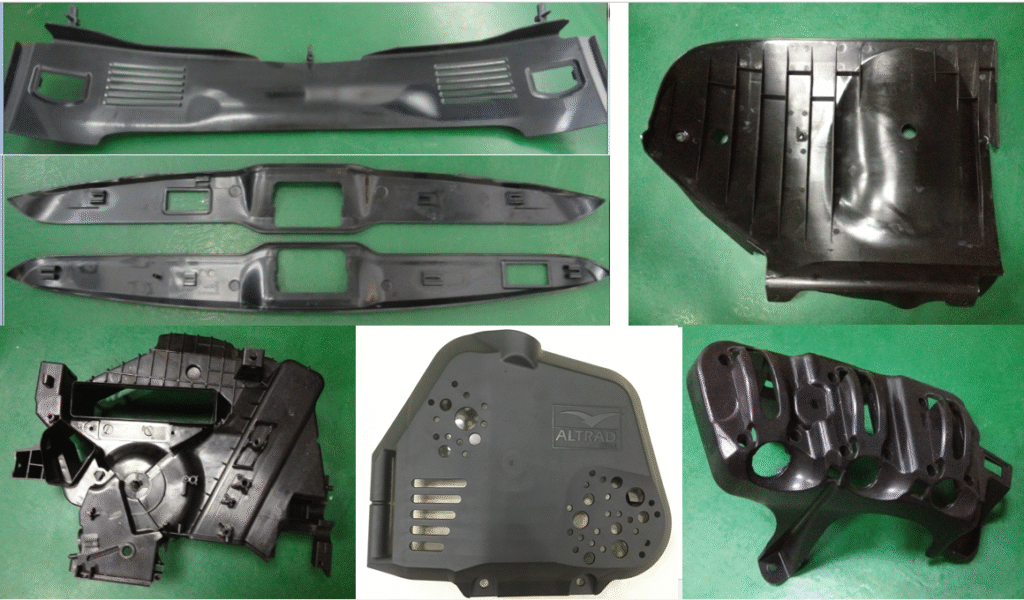
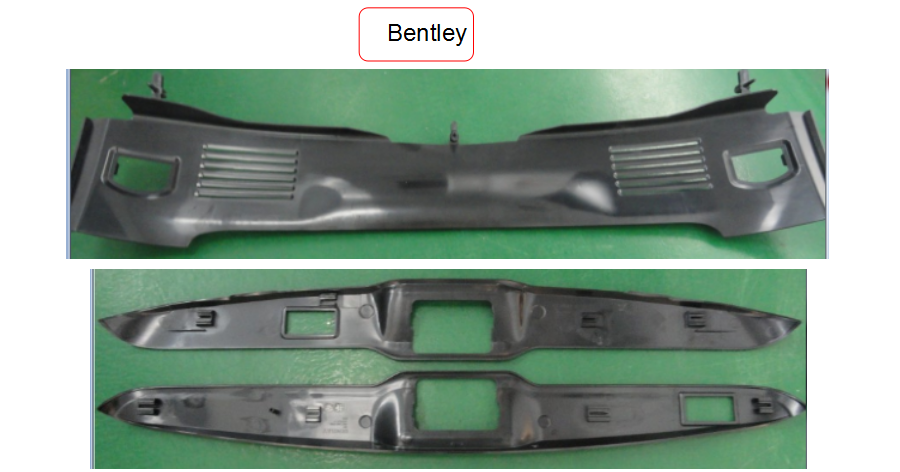
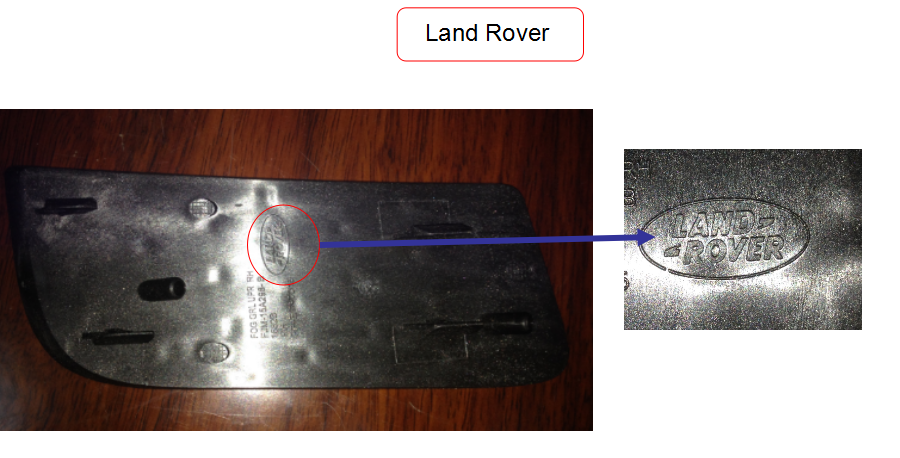
Get Instant Price, Projects lead time and DFM Feedback
Our Partners